
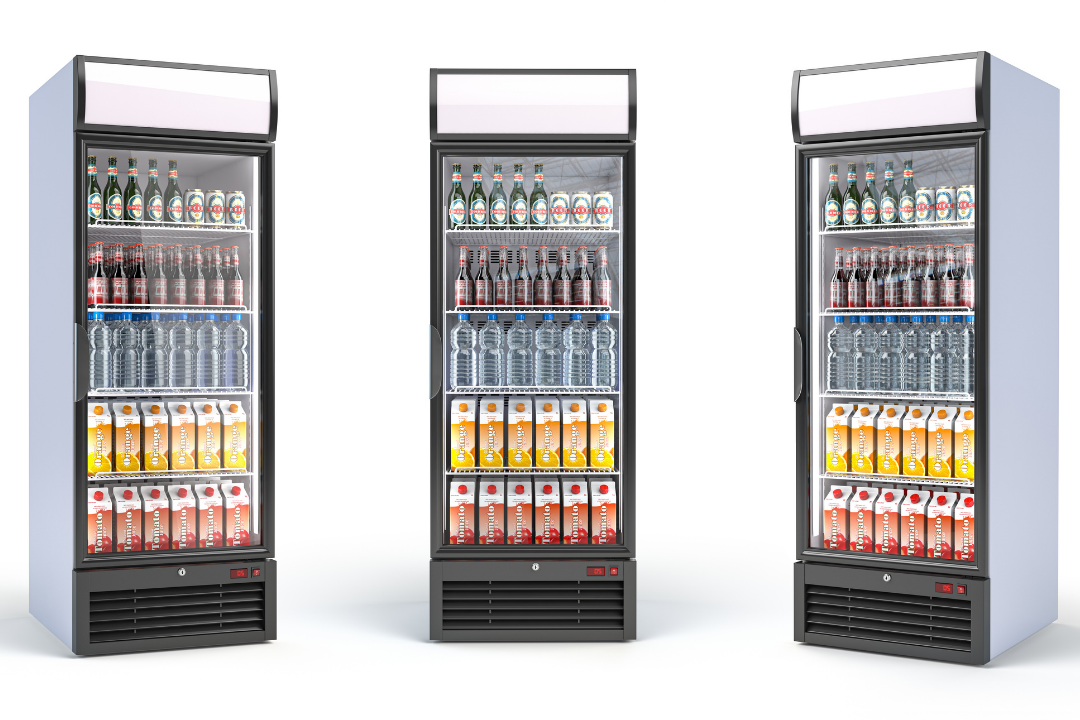
How to Merchandise Your Cooler for Maximum C-Store Sales
Why Convenience Store Cooler Merchandising Drives More Than Beverage Sales
The cooler is one of the highest-traffic areas in any convenience store. Customers move toward it instinctively — for a drink, a snack pairing, or something cold on the way out the door.
But the cooler isn’t just a beverage storage unit. Done right, convenience store cooler merchandising is one of the most effective tools an independent operator has for increasing basket size, improving customer flow, and boosting margin on high-velocity products.
For c-store operators across Oklahoma and North Texas, small adjustments to cooler layout and product placement can produce measurable results without requiring additional floor space or significant investment. Here’s what to focus on.
Start With a Clear Category Strategy
Before rearranging product, it helps to think through how customers use the cooler and which categories are doing the most work.
According to NACS, packaged beverages are consistently among the top five revenue categories for convenience retailers. Category-level thinking — not just brand-level stocking — is what separates high-performing coolers from average ones.
Most c-store coolers carry a mix of:
- Carbonated soft drinks
- Energy drinks
- Sports drinks and water
- Tea and juice
- Dairy and functional beverages
Each of those categories attracts a different customer and serves a different purchase occasion. Treating them all the same — and placing them without intention — leaves sales on the table.
Identify Your Top Movers
Start by pulling your sales data by SKU. Which products are turning fastest? Which are sitting?
High-velocity products deserve the best real estate in the cooler — eye level, center doors, and the first door customers reach. Slow movers may be worth keeping if they serve a specific customer segment, but they shouldn’t occupy prime placement at the expense of products already earning their space.
Allocate Space by Sales, Not Habit
A common mistake in cooler merchandising is allocating shelf space based on how it’s always been done rather than what the data supports.
Energy drinks, for example, have grown significantly in most c-store markets and often deserve more facings than they’re currently getting. Review your space allocation by category at least twice a year — and more frequently if you’re adding new products or responding to a seasonal shift in demand.
Use Placement to Influence Purchase Behavior
Where a product sits in the cooler directly affects whether a customer picks it up. Convenience store cooler merchandising is as much about psychology as it is about logistics.
Eye Level Is Buy Level
Products placed at eye level — roughly between chest and eye height — outsell products placed on lower or upper shelves. This applies directly to cooler doors.
A simple rule of thumb for shelf placement:
- Eye level — highest-margin products and top-selling SKUs
- Lower shelves — bulk or value-priced items
- Upper shelves — secondary options customers will seek out if they want them
Group by Occasion, Not Just Brand
Customers buying for a specific occasion — a meal, a workout, a road trip — tend to respond well to groupings that reflect that occasion rather than strict brand blocking.
According to CSP Daily News, occasion-based merchandising consistently outperforms brand-only blocking in convenience retail cooler sets. A practical starting framework:
- Sports drinks and water near the entrance for grab-and-go customers
- Energy drinks in a dedicated section with strong visual impact
- Carbonated soft drinks centrally located, anchored by your top-selling brands
- Dairy and functional beverages grouped toward the end for intentional shoppers
Use the First Door Strategically
The first cooler door a customer reaches gets the most traffic. That door should feature your best-selling, highest-margin, or most impulsive products — not water or commodity items customers will find regardless of placement.
Think about what you want a customer to grab without thinking too hard. That’s your first door.
Keep the Cooler Looking Full and Clean
A disorganized or half-empty cooler signals neglect to customers — even if the products themselves are fine. Appearance matters in convenience store cooler merchandising, especially during peak traffic hours.
Front and Face Consistently
Fronting — pulling products to the front of the shelf and facing labels outward — is one of the simplest ways to make a cooler look well-stocked and organized. It takes a few minutes during slow periods and has a noticeable effect on how customers perceive the store.
Set a Restocking Schedule
Coolers deplete fastest at predictable times. Build restocking into those windows rather than waiting until a section is obviously empty:
- Morning rush — restock before opening or immediately after the early wave
- Lunch — quick check and fill on high-velocity doors
- Late afternoon — full restock before the after-work traffic hits
Consistent delivery from a reliable distributor makes this easier. When totes arrive accurately and on schedule, store teams can plan restocking around actual inventory rather than guessing at what’s coming.
Remove Slow Movers Promptly
A product that isn’t selling takes up space a better performer could occupy. Review the cooler regularly for SKUs that haven’t moved in two to three weeks and replace them with something that has a stronger track record in your market.
Price Visibility and Signage
Customers make faster decisions when pricing is clear. Unclear or missing price tags slow down the purchase decision and can cause customers to put a product back rather than ask.
A few basics that make a real difference:
- Every product should have a visible price — shelf tags, door decals, or digital signage
- Promotional pricing needs especially clear signage — if a product is on deal, the customer should see it without looking closely
- Consistency matters — a mix of tagged and untagged products creates friction and erodes trust
Promotional lift in the cooler depends heavily on customers noticing the offer. Clear signage is what makes that happen.
Seasonal and Regional Demand
Cooler performance is seasonal. In Oklahoma and North Texas, summer drives significantly higher demand for cold beverages — particularly water, sports drinks, and energy drinks. Winter shifts demand toward hot beverages and dairy.
Seasonal adjustments to consider:
- Expand facings on water, sports drinks, and energy drinks heading into summer
- Add or promote functional beverages and better-for-you options in January when health-focused purchasing spikes
- Pull back cold facings on slower winter SKUs to make room for higher-demand products
Convenience Store News notes that beverage preferences vary meaningfully by region, and operators who align their cooler set with local buying patterns consistently outperform those running a generic national planogram. Your distributor’s account rep should be a resource here — a good rep knows what’s moving in your market.
How INW Supports C-Store Cooler Performance
A well-merchandised cooler only works if the products are consistently available. Gaps in the cooler — whether from out-of-stocks or inaccurate deliveries — undermine even the best placement strategy.
INW stocks more than 7,000 products across all major c-store categories, including a deep packaged beverage assortment aligned with what moves in Oklahoma and North Texas markets. Our next-day delivery and 99.6% error-free delivery rate mean operators can restock the cooler with confidence and maintain the full, organized appearance that drives sales.
Our account representatives work closely with retailers to identify which products are performing in their market and where promotional opportunities exist — so cooler decisions are backed by real data, not guesswork. Learn more about how INW supports convenience store operations across our service area.
If you’re ready to tighten up your cooler strategy with a distributor that understands your market, connect with INW or become a new INW customer to get started.
Author: Steven Potts