
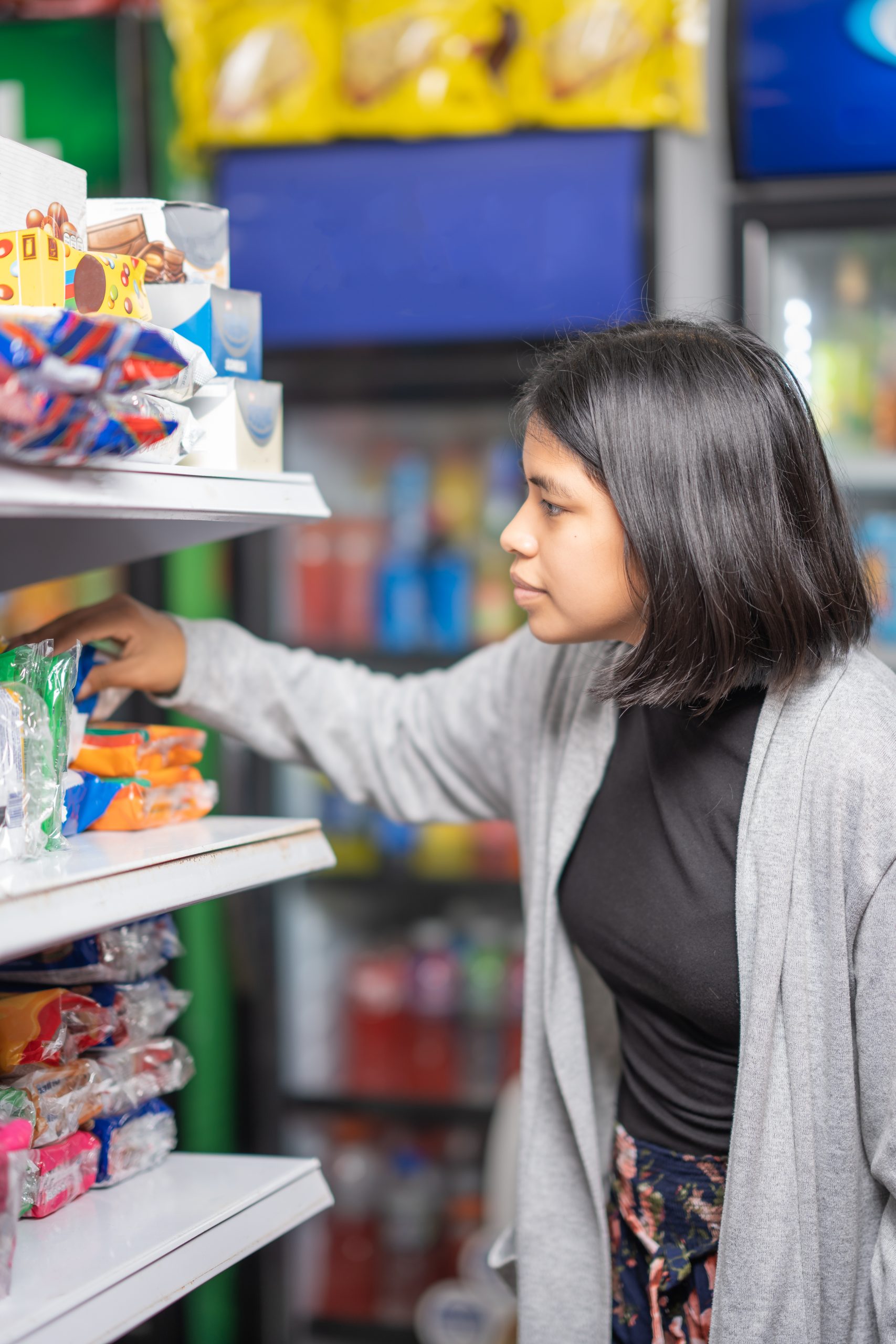
Store Merchandising Strategies That Drive Sales in C-Stores
The average convenience store visit lasts around three to four minutes. According to NACS research on in-store merchandising, shoppers are often moving quickly, entering with a specific goal, and leaving just as fast. That narrow window is where smart store merchandising either earns you an additional purchase or watches the customer walk out with only what they came for.
Store merchandising is one of the highest-leverage activities available to independent c-store operators. It doesn’t require a remodel or a significant budget. It requires a clear understanding of how customers move through the store, where their attention goes, and how to position products so that the three minutes they spend inside convert into the most revenue possible.
Here’s where to focus first.
Understand How Customers Move Through Your Store
Every store merchandising decision should start with an honest look at customer traffic flow. Where do customers enter? Which direction do they turn? What do they walk past before reaching their destination, and which zones get skipped entirely?
Merchandising experts consistently note that customers tend to turn right upon entering a store, which means the area to the right of the entrance is one of the highest-visibility zones in the building. Products placed there get seen by nearly every customer who walks in. Products tucked in corners or placed at the back of low-traffic aisles get passed by.
A few traffic flow principles worth applying:
- Position your highest-impulse categories along the primary traffic path between the entrance and the destination categories like the cooler or the register
- Place complementary categories near each other so customers who come for one thing naturally see the other
- Evaluate which parts of your store rarely get foot traffic and consider whether the product mix there earns its location
- Use end-caps and secondary displays to pull attention into areas customers might otherwise pass
The goal is a store layout that works with how customers naturally shop, not against it.
Use Eye Level as Your Most Valuable Real Estate
Within any display, shelving unit, or cooler door, eye level is where purchases happen. Products placed at eye level, roughly 48 to 60 inches from the floor, get seen first, considered most, and purchased most often. Products at ankle level or above the sightline get significantly less attention, even when they’re the same items.
Smart store merchandising treats eye level as earned placement, not default. The products that belong there are your highest-margin, highest-velocity SKUs in each category, not necessarily the items that have always been there.
A few practical adjustments:
- Review your eye-level placement in each major category and confirm the highest performers are actually there
- Use eye level to introduce new products and drive trial during a launch window, then reassess based on velocity
- Rotate slow movers off eye level and give that space to items that earn it
- In the cooler specifically, eye-level doors and middle shelves within each door are where your most important beverage SKUs belong
Make the Checkout Zone Work Harder
The checkout counter and the area immediately surrounding it is one of the most profitable zones in a c-store when it’s used well. Customers standing at the register are a captive audience with a purchase already in hand and a few seconds of idle attention. That’s exactly when a well-placed impulse item converts.
NACS industry data on cold case merchandising shows that reducing barriers between customers and products, whether physical barriers like cooler doors or navigational barriers like cluttered shelving, directly increases purchase frequency and basket size. The same principle applies at checkout: a clean, well-organized, well-stocked counter display that’s easy to see and easy to grab converts significantly better than a cluttered one.
Effective checkout zone store merchandising includes:
- Single-serve candy and gum at the register and in the counter display directly in the customer’s eyeline
- Small impulse items priced low enough for a spontaneous add-on decision
- Seasonal or limited-edition items rotated into checkout displays to create novelty
- Clean, uncluttered presentation so products are easy to see and reach without effort
Cross-Merchandise to Build Bigger Baskets
Cross-merchandising, positioning products from complementary categories near each other, is one of the most effective store merchandising strategies for increasing basket size without adding more inventory. The logic is straightforward: a customer who comes in for a beverage is also a potential snack customer if the snacks are placed where that customer is already looking.
Some natural cross-merchandising combinations that work well in c-stores:
- Snacks displayed near the entrance to the beverage aisle or near the cooler
- Candy and grab-and-go items near the coffee station to capture add-ons during the morning rush
- Tobacco accessories near the backbar
- Better-for-you snacks adjacent to functional and enhanced beverages, since the same consumer often buys both
The connection between categories needs to be immediately clear, and the display needs to be easy to shop. When those two conditions are met, cross-merchandising reliably drives incremental purchases from customers who came in with a single item in mind.
Keep Displays Fresh and Fully Stocked
A store merchandising strategy only works if the displays are maintained. A half-empty checkout display, a cooler with gaps in the facings, or a promotional end-cap that hasn’t been refreshed in weeks sends the wrong signal. Customers read empty shelves and stale displays as a sign that a store isn’t well-run, regardless of how strong the underlying assortment actually is.
Keeping displays full and current requires two things: internal discipline around restocking routines and a distribution partner whose reliable delivery makes consistent replenishment possible.
At Indian Nation Wholesale, our guaranteed next-day delivery and 99.6% error-free delivery rate give independent retailers across Oklahoma and North Texas the supply consistency to keep every display and every shelf looking like it should. Our retail support team also works directly with independent retailers on complete store resets and shelf-tagging, bringing professional merchandising execution to stores that don’t have an internal team dedicated to it.
The Foodservice Zone Deserves Its Own Merchandising Strategy
Foodservice now accounts for 28.5% of total c-store inside sales and 38.9% of in-store gross profit dollars, according to the most recent NACS State of the Industry data. It’s the highest-margin category in the store, and it rewards operators who merchandise it intentionally.
The coffee and dispensed beverage station, the grab-and-go cold case, and any hot food program each need their own visual merchandising attention: clean displays, clear pricing, well-organized product placement, and consistent restocking that keeps the offer looking fresh throughout the day. Customers who build a morning routine around your store make that decision based largely on how reliable and appealing the foodservice section looks on repeat visits.
At Indian Nation Wholesale, we supply independent retailers across Oklahoma and North Texas with the broad product assortment needed to support every zone in the store, from candy and snacks to beverages, tobacco, and foodservice items, backed by the delivery reliability that keeps every display full and every store merchandising strategy performing as intended. If you’re ready to build a stronger store, connect with Indian Nation Wholesale today.
Author: Steven Potts