How Smart Retail Distribution Keeps Stores Stocked
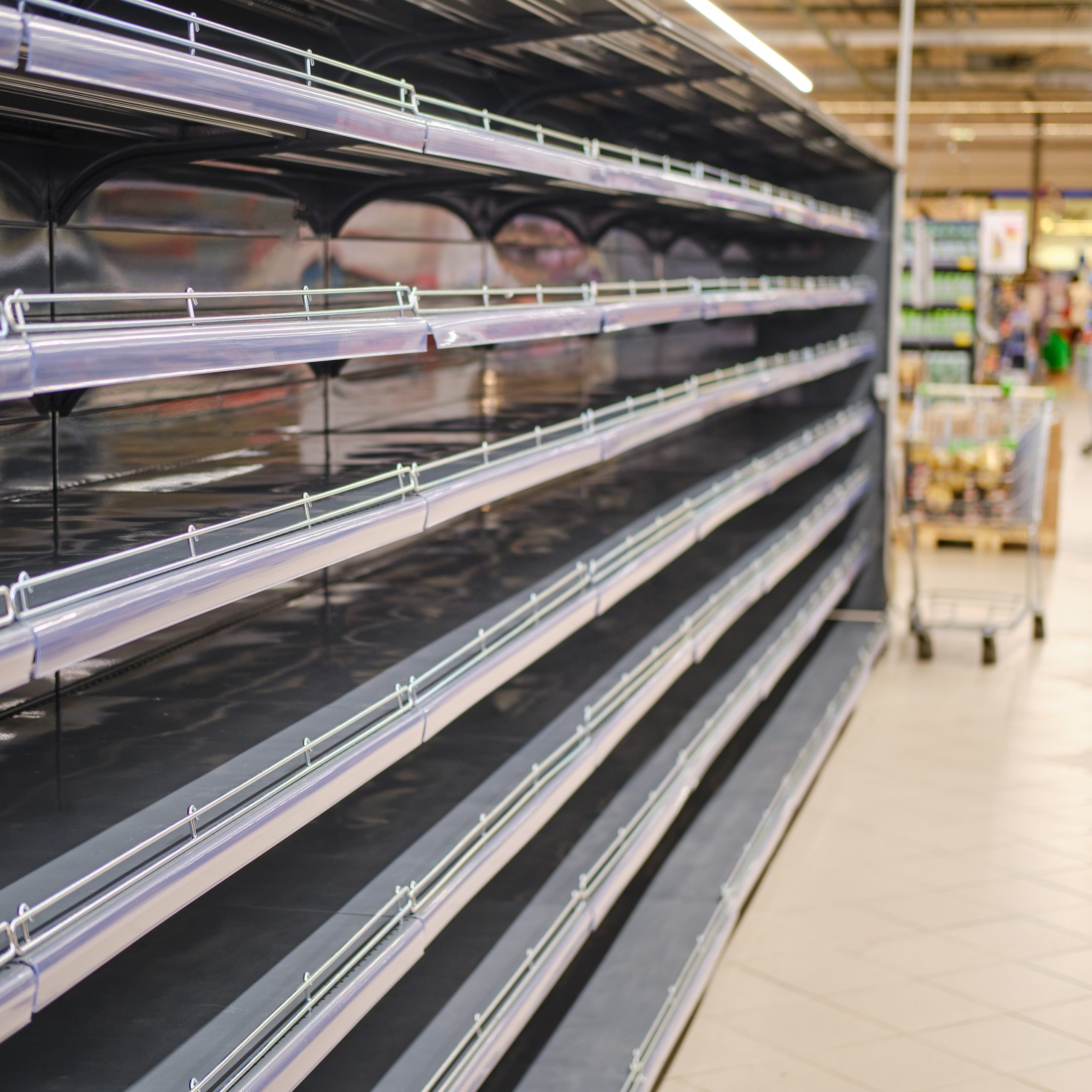
Walk into a convenience store that’s running well and you notice it immediately, even if you can’t quite name what you’re noticing. The shelves are full. Products are in the right place. The cooler doors open to organized, well-faced beverage sections. The candy and snack aisles are stocked and clean. Nothing is missing that should be there.
That experience is the result of smart retail distribution working exactly the way it’s supposed to. When distribution works, it’s invisible. When it doesn’t, every gap on the shelf is a reminder of the problem.
For independent retailers across Oklahoma and North Texas, understanding what smart retail distribution actually looks like and what separates a reliable distribution system from an unreliable one is essential to keeping your store performing at its best.
Full Shelves Start With Reliable Delivery
The most fundamental truth in retail distribution is simple: you cannot keep shelves stocked if your deliveries aren’t reliable. Everything else in your inventory management system depends on knowing when product is coming, trusting that it will arrive as ordered, and being able to plan your operations around a consistent delivery schedule.
According to Convenience Store News, staying in-stock is one of the most direct drivers of sales performance in a convenience store. Customers who find what they’re looking for buy. Customers who don’t tend to leave, and some of them don’t come back. The connection between reliable retail distribution and in-store sales isn’t theoretical. It shows up in your register every single day.
At Indian Nation Wholesale, guaranteed next-day delivery and a 99.6% error-free delivery rate give independent retailers across Oklahoma and North Texas the distribution reliability that makes stocked shelves possible on a consistent basis, not just when everything happens to go right.
The Real Cost of a Stockout
It’s worth being specific about what an out-of-stock actually costs, because the number is almost always larger than it appears. The visible cost is the lost sale. The customer wanted that product, didn’t find it, and didn’t buy it. That’s a straightforward revenue loss.
The less visible costs compound over time:
- Customers who experience repeated stockouts on items they rely on develop the habit of going elsewhere for those items, and often for everything else too
- Staff time spent managing receiving errors, chasing down substitutions, and dealing with inventory gaps is time not spent serving customers
- Empty shelves damage the store’s overall appearance and signal to customers that the operation is not well-run
- Stockouts on high-margin items have an outsized impact on profitability relative to their shelf footprint
Smart retail distribution prevents these costs at the source, through accurate orders, consistent delivery timing, and product availability that keeps your most important SKUs on the shelf.
What Delivery Accuracy Actually Means for Your Store
Delivery speed gets a lot of attention, but delivery accuracy is equally important. A fast delivery that’s missing key items or includes wrong products just moves the problem to later in the day, when someone has to identify the discrepancy, contact the distributor, and wait for a resolution.
High order accuracy means:
- Your store receives exactly what was ordered so you can plan restocking without surprises
- Your receiving process is faster because staff aren’t reconciling discrepancies
- Your inventory records stay accurate because what’s on the invoice matches what’s on the shelf
- Your par levels and ordering routines work as designed because the inputs are reliable
INW’s 99.6% error-free delivery rate reflects investment in warehouse organization, order verification processes, and the technology that prevents mistakes before they ever leave the facility. For independent retailers, that accuracy translates directly into less time spent on receiving problems and more time running the store.
How Warehouse Location Shapes Your Distribution Experience
One of the factors independent retailers often underestimate when evaluating a distribution partner is simply where the warehouses are. A distributor operating from a facility that’s two or three hours away faces real constraints in delivery timing, route flexibility, and responsiveness when something needs to change quickly.
Regional warehouses positioned close to the stores they serve make next-day delivery not just possible but routine. They also enable the kind of routing flexibility that allows a distributor to respond when a retailer needs something adjusted, a product is in high demand, or a delivery window needs to shift.
According to Supply Chain Dive research on c-store distribution, independent operators benefit most from distribution partners who combine proximity with operational efficiency, giving them the responsiveness of a local provider with the product breadth and pricing of a nationally scaled operation.
INW operates warehouse facilities in Durant, Norman, and Lawton, strategically positioned to serve independent retailers throughout Oklahoma and North Texas. That local footprint is what makes next-day delivery a standard commitment rather than a best-case scenario.
Smart Ordering Systems Make Distribution Work Better
Retail distribution doesn’t end when the truck leaves the warehouse. It also includes how retailers manage their ordering process, set par levels, and time their orders to align with their delivery schedule. The most reliable distribution partner in the world can’t prevent stockouts caused by ordering too late, ordering the wrong quantities, or failing to adjust for seasonal demand shifts.
Smart ordering practices that support full shelves:
- Set par levels for your highest-velocity SKUs based on sales between deliveries, with a buffer for unexpected demand
- Place orders on a consistent schedule tied to your delivery days so your replenishment cycle is predictable
- Review sales data regularly to adjust par levels as demand patterns shift
- Order ahead of known high-demand periods like holidays, local events, and seasonal traffic spikes
A distribution partner who makes ordering straightforward, delivers reliably, and communicates proactively when product availability shifts makes it significantly easier to maintain these practices consistently.
Consolidating Distribution Simplifies Everything
One of the most effective ways to improve retail distribution performance is to reduce the number of vendors involved in it. Every additional distributor relationship adds complexity to your ordering process, your receiving schedule, and your inventory management. Coordinating deliveries from five different vendors means five delivery windows to manage, five invoices to reconcile, and five points of potential failure.
A one-stop-shop distributor who can supply your candy, snacks, beverages, tobacco, foodservice items, and paper goods simplifies all of that into a single relationship. The ordering process is cleaner, receiving is more predictable, and the overall reliability of your supply improves when there are fewer moving parts.
With more than 7,000 products across every category your store needs, INW gives independent retailers across Oklahoma and North Texas the breadth to consolidate their distribution significantly without sacrificing product variety or category coverage.
At Indian Nation Wholesale, we’ve spent more than 70 years building the kind of retail distribution that independent retailers across Oklahoma and North Texas can count on: guaranteed next-day delivery, a 99.6% error-free rate, regional warehouses in Durant, Norman, and Lawton, and a one-stop-shop product catalog that covers everything your store needs. If you’re ready for distribution that keeps your shelves stocked and your store performing at its best, connect with Indian Nation Wholesale today.
Author: Steven Potts